JavaScript seems to be disabled in your browser. For the best experience on our site, be sure to turn on Javascript in your browser.
About Southco
Welcome to Southco
Global Locations
Our Manufacturing Strategy
Careers
ESG
Compression Latches
Cam Latches
Push to Close Latches
Rotary Latch Systems
Draw Latches
Swinghandle & Multipoint Systems
Entry Door Latches & Locks
Electronic Access & Locking Solutions
Cam Locks & Lock Plugs
View All
Captive Screws
DZUS® Quarter-Turn Fasteners
Quick Access Fasteners
Rivets
Inject / Eject Mechanisms
Gaskets
View all
Positioning Hinges
Embedded Hinges
Removable Hinges
Counterbalance Hinges
Concealed Hinges
Free Swinging Hinges
Monitor Arms
Monitor Mounts
Surface Mount Grab Handles
Folding Handles
Flush Pulls
Concealed Pulls
Crate Handles
Sliding Window Latch
view all
5G Technology
Automotive
Aerospace
Off-highway
Railway
Self-service
Industrial Equipment
Medical
Data Center
Lighting
Marine
Bus/Coach
Electronics
Smart Cities
EV Charging Equipment
Online Catalog
Resource Center
Certifications By Product
Compliance and Quality Certifications
Frequently Asked Questions
404
Were you looking for something special?
Here are some suggestions that you might like...
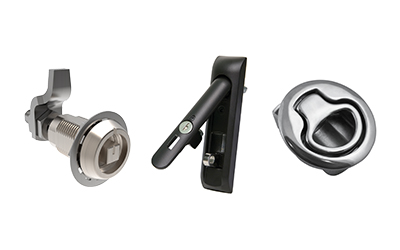
Latches
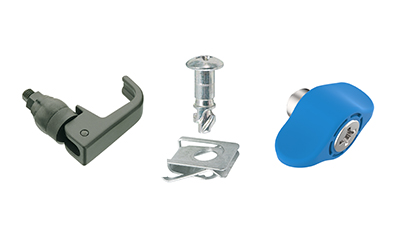
Fasteners
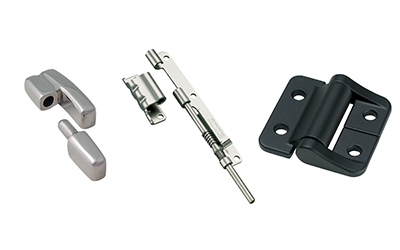
Hinges
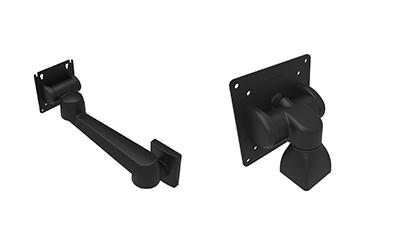
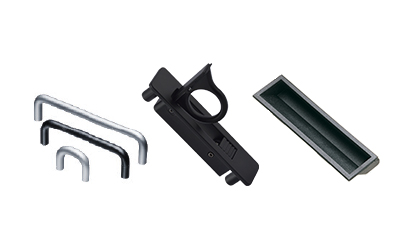
Handles